Blog

2026 Best Cutout Electric Fuse for Global Buyers

The 2026 market for Cutout Electric Fuse products is becoming more specification-driven. Utilities, solar developers, and industrial distributors now compare interrupting capacity, voltage class, coordination, and lifecycle cost. A fuse that looks suitable on a catalog page may fail a network study. The details matter.

Recent industry reports support this cautious direction. Fortune Business Insights’ Electrical Fuses Market report identifies grid modernization, renewable integration, and distribution upgrades as major growth drivers through the decade. MarketsandMarkets also links smart-grid investment with stronger demand for dependable protection equipment. However, these reports usually combine several fuse categories. They do not always isolate distribution cutout fuses. That limitation deserves attention.

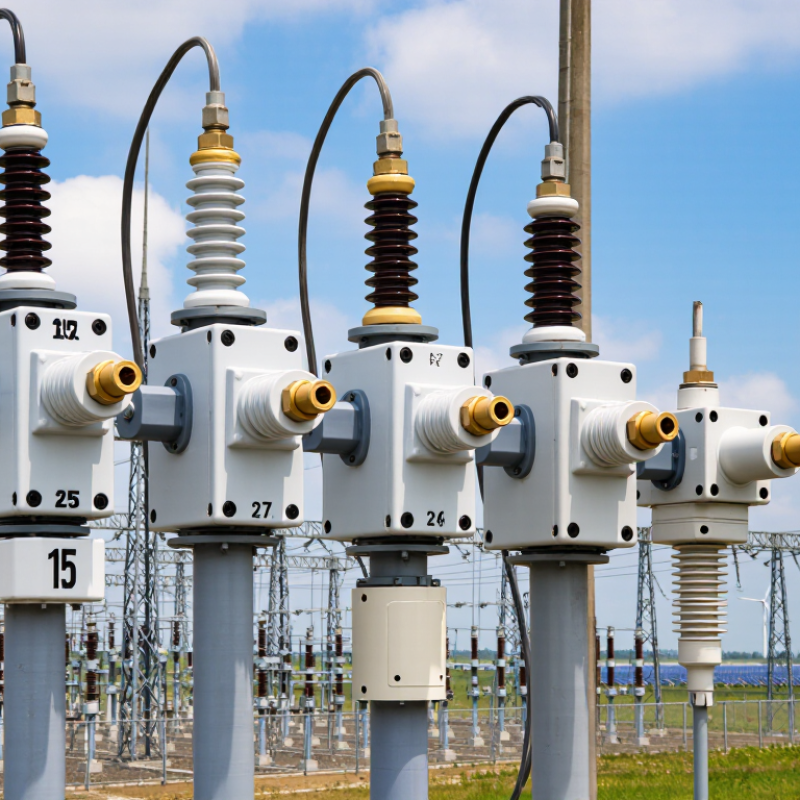
IEC 60282-2 and IEEE C37.41 provide important reference points for high-voltage fuse applications and cutout performance. Buyers should verify compliance evidence, test conditions, and applicable national requirements before approving a supplier. A 15 kV cutout may require different insulation, creepage, and mechanical features than a similar-looking 27 kV model. Pole height, wildlife exposure, salt fog, and transformer protection also influence selection.

Not just price.

Experienced procurement teams examine manufacturing traceability, batch testing, spare-fuse availability, and field support. They request drawings, certificates, temperature-rise data, and clear replacement instructions. These steps reduce uncertainty during installation and maintenance. Still, no product ranking can replace local engineering judgment. Forecasts can change. Specifications can be misunderstood. This guide evaluates leading 2026 options through measurable performance, standards alignment, supplier reliability, and practical deployment experience for global buyers.

2026 Best Cutout Electric Fuse for Global Buyers

What Is a Cutout Electric Fuse and How Does It Work?

What Is a Cutout Electric Fuse and How Does It Work?

A cutout electric fuse is an outdoor protection device for distribution lines and pole-mounted transformers. It combines a fuse link with a hinged carrier inside an insulating tube. Under normal current, the link conducts electricity safely. During a fault, excessive current heats the fuse element until it melts. The carrier then drops open, stopping power flow and providing a visible isolation point. This helps limit equipment damage and supports safer maintenance.

The fuse must match system voltage, continuous current, and interrupting capacity. Engineers also consider wind, rain, altitude, pollution, and transformer inrush current. A poor selection may operate too early or fail to clear a fault safely. Field experience shows that loose connections and corrosion can create dangerous heating. Inspections should check contact pressure, tube condition, hardware, and arcing marks. Local electrical rules and qualified procedures remain essential. Small details matter.

Tips: Confirm ratings in the utility design documents. Use a fuse link that matches the protection study. Never judge condition by appearance alone. A clean tube may hide weak contacts. Record replacements, fault conditions, and weather. These notes improve future decisions, though they cannot reveal every installation issue.

2026 Best Cutout Electric Fuse for Global Buyers

What Is a Cutout Electric Fuse and How Does It Work?

A cutout electric fuse is a medium-voltage protection device used on overhead distribution lines and transformers. When excessive current or a short circuit occurs, the fuse link melts and opens the circuit. The fuse tube then drops open, providing visible isolation for maintenance.

The chart shows representative IEC equipment voltage classes commonly matched with 11 kV, 22 kV, and 33 kV distribution systems. The selected fuse cutout should have an equipment highest voltage rating equal to or above the network requirement, together with an adequate continuous-current and interrupting-current rating.

Key Types of Cutout Electric Fuses for Different Applications

2026 Best Cutout Electric Fuse for Global Buyers

Expulsion cutout fuses suit overhead distribution lines, pole-mounted transformers, and rural feeders. Their fuse link melts during a fault, while the heated gases help interrupt current. The visible drop-open action gives maintenance crews a clear isolation point. That detail matters in dusty substations and remote areas.

Current-limiting fuse links fit applications where fault currents may rise sharply. They reduce peak energy and help protect transformers, cables, and switchgear. Dual-element links offer time delay for temporary inrush, such as transformer energizing. Fast-acting links respond more quickly to short circuits. K-speed and T-speed links serve different coordination requirements, so substitution needs calculation, not guesswork.

Field selection should match rated voltage, continuous current, interrupting capacity, mounting dimensions, and local climate. Salt fog, heavy rain, altitude, and ice can change performance. A fuse that works well in a dry test yard may disappoint beside a coastal pole. Check certified test data, material quality, and coordination curves before purchase. A common mistake is choosing by ampere rating alone. It looks simple. It is not. Even experienced buyers should recheck system grounding, transformer protection, and available fault current with a qualified engineer.

How to Compare Voltage, Current, and Breaking Capacity

2026 Best Cutout Electric Fuse for Global Buyers

How to Compare Voltage, Current, and Breaking Capacity

Choosing a cutout electric fuse starts with the system voltage, not the catalog price. The fuse voltage rating must meet or exceed the network’s maximum operating voltage. For a 24 kV distribution line, a 24 kV fuse may fit, but insulation conditions still require verification. Altitude, pollution, and humidity can change outdoor performance.

Current rating needs closer attention. It should support the normal load while coordinating with transformers, conductors, and upstream protection. A 100 A fuse is not automatically safer than a 63 A fuse. Oversizing may delay operation during a fault. Undersizing can cause unnecessary interruptions during motor starting or temporary overloads. Check the manufacturer’s time-current curves, not only the label.

Breaking capacity is often misunderstood. It describes the highest prospective short-circuit current the fuse can safely interrupt at its rated voltage. If the calculated fault current reaches 15 kA, a fuse rated for only 12 kA is unsuitable. This detail matters.

Request verified test reports and confirm the applicable regional standard before purchasing. Compare the complete assembly, including the fuse holder and contacts. A strong fuse link cannot compensate for weak connections. I have seen specifications copied between projects without checking local fault levels. That shortcut looked efficient, but it created doubt at the final review. Temperature correction and installation torque are also easy to overlook. Check them twice.

Safety Standards and Installation Requirements for Global Buyers

For global buyers, a cutout electric fuse is not selected by price alone. Its voltage rating, continuous current, interrupting capacity, and insulation level must match the installation. Medium-voltage outdoor cutouts may follow standards such as IEC 60282-2 or applicable ANSI requirements. However, certification rules differ between countries. Do not assume one certificate satisfies every market.

Check the complete assembly, not only the fuse link. The cutout should withstand rain, dust, ultraviolet exposure, and coastal corrosion when required. Confirm creepage distance, clearances, terminal materials, and temperature limits. Ask for routine test records, type-test evidence, and clear marking on each unit. Small details matter. A missing rating label can delay approval or create a dangerous maintenance error.

Installation should follow the utility specification and local electrical code. Only qualified personnel should work on energized distribution equipment. Before mounting, inspect the pole, brackets, conductors, and earthing path. Use calibrated tools for terminal tightening, because loose connections generate heat. Install the correct fuse link and verify coordination with upstream and downstream protection. Keep the dropout path clear, with no nearby branches or obstructions. In field work, assumptions sometimes fail: a salty site may corrode ordinary hardware faster than expected, while an apparently suitable fuse may lack the required fault rating. Independent inspection before energization is worth the extra time.

How to Select the Best Cutout Electric Fuse in 2026

Choosing the best cutout electric fuse in 2026 starts with the installation, not the product label. Confirm the system voltage, continuous load current, fault level, and grounding arrangement. A fuse rated too low may open during normal demand. A fuse rated too high may offer weak protection.

Check the fuse link’s time-current curve against transformer inrush and expected overloads. Inspect the cutout body for creepage distance, insulation strength, weather resistance, and secure contact pressure. Coastal sites need stronger resistance to salt and moisture. Cold regions require materials that remain stable during thermal cycling. Also verify mounting dimensions and compatibility with local utility requirements. Some specifications remain easy to misread, so I would recheck every value before ordering.

Tips: Request routine test reports, material details, and traceable production records. Compare interrupting capacity with the available short-circuit current. Ask for installation instructions and maintenance limits. Do not rely on price alone. A practical evaluation should include sample inspection, mechanical operation, and visual checks after simulated weather exposure. Field conditions can differ from laboratory claims. That is an important weakness in many purchasing decisions. Use qualified electrical professionals for final approval, and keep records for future maintenance.

2026 Best Cutout Electric Fuse for Global Buyers - How to Select the Best Cutout Electric Fuse in 2026

Reference selection matrix for medium-voltage overhead distribution, transformer protection, and outdoor utility applications

Selection Dimension Recommended Reference Data Why It Matters Verification Requirement
Equipment Type Outdoor expulsion fuse cutout with a removable fuse carrier Provides visible isolation and overcurrent protection for overhead distribution transformers, capacitor banks, and feeder branches. Confirm that the construction and test requirements match the applicable utility specification and installation environment.
Applicable Product Standard IEC 60282-2 for expulsion fuses, or IEEE C37.41 and IEEE C37.42 for distribution-class fuse cutouts and fuse links These standards address ratings, design requirements, testing, and performance of high-voltage expulsion fuse equipment. Request the exact edition of the standard used for type testing and routine production checks.
System Voltage Class Common reference classes: 15 kV, 27 kV, and 38 kV The cutout voltage rating must be equal to or greater than the highest continuous line-to-line system voltage and suitable for temporary overvoltage conditions. Check rated maximum voltage, power-frequency withstand voltage, and lightning impulse withstand voltage.
Typical Rated Maximum Voltage 15.5 kV for 15 kV-class systems; 27 kV for 27 kV-class systems; 38 kV for 38 kV-class systems Using the correct maximum voltage prevents insulation stress and coordination problems. Do not select only from the nominal system voltage; compare the manufacturer's rated maximum voltage with the network design voltage.
Continuous Current Rating Common cutout body ratings include 100 A and 200 A; higher ratings may be available for special designs The cutout body and terminals must carry the expected continuous load without excessive heating. Select a rating above the calculated maximum continuous load and verify temperature-rise test data.
Fuse-Link Current Rating Typical distribution fuse-link ratings range from approximately 1 A to 200 A, depending on the fuse-link design and standard The fuse link determines overload protection and must coordinate with transformer inrush, feeder load, and downstream protection. Use time-current curves rather than selecting only by the nominal ampere value.
Fuse-Link Speed Fast links, commonly identified as K-type in IEEE-based systems, or slower links, commonly identified as T-type Fast and slow characteristics provide different responses to temporary overloads, transformer inrush, and downstream faults. Compare minimum-melting and total-clearing curves with the protected equipment and coordination study.
Interrupting Rating Common distribution cutout values are approximately 8 kA to 12.5 kA symmetrical RMS, with higher ratings available in specific designs The interrupting rating must exceed the available fault current at the installation point. Obtain the prospective short-circuit current from the network study and check the manufacturer's certified interrupting test rating.
Lightning Impulse Withstand Typical reference values include 95 kV for 15 kV-class equipment, 125 kV for 27 kV-class equipment, and 150 kV for 38 kV-class equipment Adequate impulse withstand helps the cutout tolerate lightning and switching surges on overhead networks. Confirm the exact impulse withstand value, test waveform, and phase-to-ground configuration.
Power-Frequency Withstand Typical one-minute dry withstand values are approximately 35 kV for 15 kV-class, 50 kV for 27 kV-class, and 70 kV for 38 kV-class equipment This rating indicates the insulation capability under sustained power-frequency test voltage. Check whether wet withstand requirements apply to the intended outdoor installation.
Creepage and Pollution Performance Select an outdoor insulator profile suitable for the site's pollution severity; use the applicable IEC 60815 creepage guidance where relevant Salt, dust, industrial contamination, and moisture can cause surface leakage and flashover. Provide altitude, pollution level, coastal exposure, and minimum creepage distance requirements to the supplier.
Altitude Capability Standard ratings are often referenced for installations up to 1,000 m above sea level; higher sites may require derating or special design Air insulation performance decreases as altitude increases. State the installation elevation and obtain altitude correction or high-altitude certification when required.
Fuse Carrier Operation Dropout operation should provide a clear visible indication after fuse operation; the carrier should be suitable for the specified live-line tool Visible operation improves fault identification and maintenance safety on overhead lines. Verify the carrier length, operating angle, latch design, and compatibility with local utility tools.
Mounting and Connection Common arrangements include pole or crossarm mounting with line and load terminals designed for the specified conductor range Correct mechanical installation prevents loose connections, terminal heating, and alignment problems. Check terminal material, conductor range, mounting-hole pattern, line/load orientation, and torque requirements.
Environmental Construction UV-resistant polymer or glazed porcelain insulation; corrosion-resistant hardware suitable for outdoor exposure Outdoor equipment must withstand sunlight, rain, humidity, temperature cycling, and mechanical vibration. Review material declarations, corrosion protection, sealing details, and environmental test reports.
Transformer Protection Coordination Select the fuse-link ampere rating and time-current curve to protect the transformer while allowing normal energization inrush An undersized fuse may operate during energization, while an oversized fuse may provide inadequate transformer protection. Compare transformer full-load current, inrush current, damage curve, secondary protection, and available fault current.
Maintenance and Replacement Use replaceable fuse links with documented dimensions, current ratings, speed characteristics, and clearing curves Interchangeable, documented fuse links reduce outage time and prevent incorrect replacement. Confirm fuse-link compatibility by standard, physical dimensions, ferrule or contact design, and electrical characteristics.
Recommended Buyer Documentation Technical datasheet, dimensional drawing, type-test report, routine-test record, time-current curves, installation instructions, and spare-parts list Complete documentation allows engineering review, purchasing comparison, installation, and future maintenance. Require all documents before approval, especially for cross-border projects and regulated utility installations.
Best General Selection Approach for 2026 Prioritize certified electrical ratings, fault-current capability, insulation coordination, fuse-link curves, environmental suitability, and verified interchangeability over purchase price alone. A cutout is reliable only when its electrical, mechanical, and environmental ratings match the complete distribution system. Approve the final model only after reviewing the network data, applicable standards, test evidence, and site conditions.

Note: The values shown are commonly used reference ratings and selection ranges for medium-voltage distribution applications. Final selection must be based on the system's actual voltage, load current, available fault current, insulation coordination, altitude, pollution level, transformer data, local regulations, and the certified ratings of the specific cutout and fuse link.

By continuing to use the site, you agree to the use of cookies. more information

The cookie settings on this website are set to "allow cookies" to give you the best browsing experience possible. If you continue to use this website without changing your cookie settings or you click "Accept" below then you are consenting to this.

Close