
Blog
2026 Best Casual Wear Trends for Global Buyers?
In 2026, global buyers will view Casual wear through a wider lens. Comfort remains essential, but it no longer means oversized basics alone. Buyers are studying fabric performance, regional preferences, production consistency, and long-term value. A soft cotton shirt must survive repeated washing, warm climates, and busy retail floors. A practical hoodie should feel comfortable without losing shape after several wears.
Fashion stylist and designer Rachel Zoe once said, “Style is a way to say who you are without having to speak.” Her observation still matters for Casual wear. Customers increasingly choose relaxed garments that reflect identity, community, and lifestyle. Neutral colors may continue selling strongly, yet washed blue, earthy green, and muted coral could create useful points of difference. Trends are not universal, however. A lightweight overshirt may suit Singapore, while layered fleece performs better in Northern Europe.
For global buyers, the strongest 2026 collections will balance visual appeal with measurable reliability. Look closely at fabric weight, seam strength, shrinkage, colorfastness, and supplier communication. Small details matter. A rough neckline can damage repeat sales. An attractive sample can also hide weak construction. This is where professional testing and experienced sourcing judgment become valuable. Some forecasts may miss local realities, and buyers should challenge them. Fashion changes quickly. Evidence should lead decisions, not excitement alone. This guide examines the most promising Casual wear directions, while recognizing that no single trend will fit every market, customer, or climate.
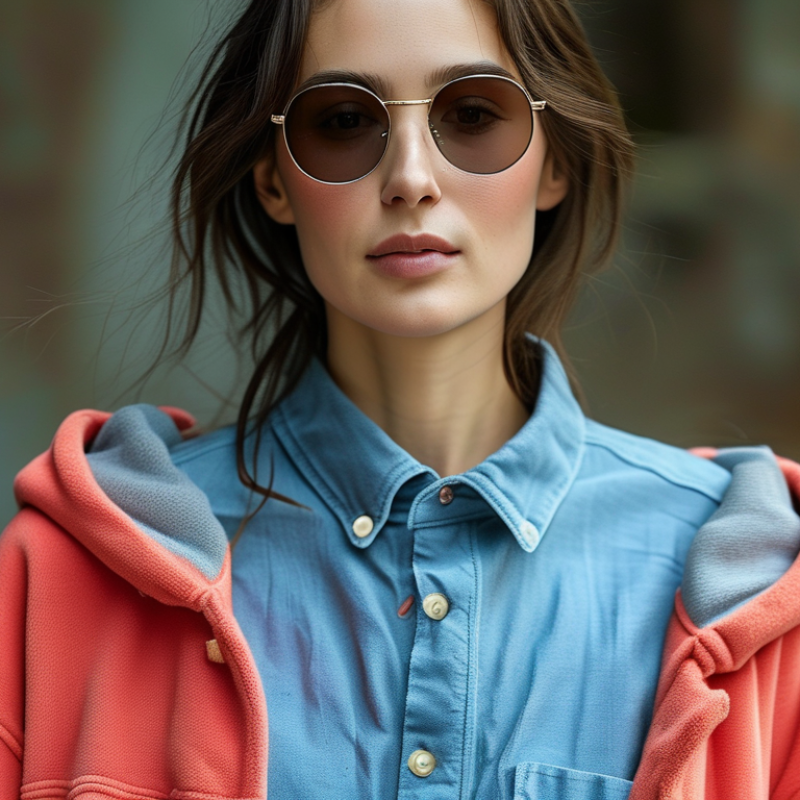
Table of Contents [Hide]
Define 2026 Demand: McKinsey’s Low-Single-Digit Fashion Growth Outlook
In 2026, casualwear buyers should plan for discipline, not explosive volume. McKinsey’s State of Fashion 2025 report expects low-single-digit fashion growth, signaling cautious consumer spending and tighter inventory control. The World Bank’s Global Economic Prospects, January 2025, projects global economic growth at 2.7% in both 2025 and 2026. Fashion demand may grow, but unevenly.
Practical demand will favor versatile, repeatable products. Think breathable cotton T-shirts, relaxed trousers, light overshirts, and neutral layers. Buyers can test smaller quantities before expanding successful colors. A 5% sales increase does not justify a 20% inventory increase. It sounds obvious. It is often ignored. Regional climate, income, and delivery speed will matter more than broad global trends.
McKinsey’s outlook also suggests that value perception must improve. Consumers may accept a higher price when fabric weight, stitching, comfort, and wash resistance are clearly demonstrated. Product pages should show close-up seams and real garment measurements. My caution is simple: low-single-digit growth is an industry signal, not a guaranteed forecast. A supplier’s historical sales data, return rate, and replenishment speed still deserve greater weight than optimistic market language.
2026 Best Casual Wear Trends for Global Buyers? - Define 2026 Demand: Low-Single-Digit Fashion Growth Outlook
Global buyer planning table for casualwear assortment, sourcing and product development
| Demand Dimension | 2026 Market Signal | Buyer Implication | Recommended Product Direction | Priority |
|---|---|---|---|---|
| Global fashion growth | Low-single-digit revenue growth, commonly interpreted as approximately 1–3% for the overall fashion market | Demand is positive but selective; volume growth should not be assumed across every category | Build focused assortments around proven casualwear essentials and clear use cases | Very High |
| Consumer value sensitivity | Price, durability and cost-per-wear remain major purchase filters in a cautious spending environment | Buyers need visible value without relying only on discounting | Use durable fabrics, reinforced construction, easy-care finishes and transparent product benefits | Very High |
| Comfort and versatility | Consumers continue to favor clothing that can move between home, work, travel and social settings | One garment should support multiple occasions and styling combinations | Relaxed trousers, soft overshirts, elevated sweatshirts, knit polos and lightweight layering pieces | Very High |
| Relaxed silhouettes | Loose and easy proportions remain commercially relevant, while extremely oversized shapes are more fashion-sensitive | Fit blocks must balance comfort, mobility and broad market acceptance | Relaxed straight-leg bottoms, boxy shirts, dropped-shoulder tops and adjustable waists | High |
| Elevated basics | Basic garments gain importance when they offer better hand feel, fit, construction or styling flexibility | A simple appearance must be supported by measurable quality details | Premium-weight T-shirts, refined jersey, structured hoodies, clean knitwear and minimal shirting | Very High |
| Performance casual | Breathability, stretch, moisture management and easy care are increasingly expected beyond activewear | Functional benefits can justify moderate price premiums when clearly communicated | Stretch chinos, quick-dry polos, lightweight utility jackets and commuter-friendly separates | High |
| Denim and workwear influence | Utility details and denim remain dependable casualwear components, but consumers prefer lighter and more comfortable constructions | Classic categories should be refreshed through fit, wash, weight and functionality | Relaxed denim, utility overshirts, carpenter-inspired trousers and lighter-weight workwear fabrics | High |
| Climate adaptability | More variable weather increases demand for breathable, lightweight and layerable products | Seasonal products should offer wider wear windows and be suitable for transitional weather | Lightweight overshirts, packable outer layers, breathable knits and temperature-flexible fabrics | High |
| Material direction | Natural fibers, recycled inputs and certified lower-impact materials remain important, but cost and traceability affect adoption | Sustainability claims require documentation and should be connected to product performance | Cotton-rich blends, recycled polyester where technically appropriate, recycled fibers and verified certification claims | High |
| Color direction | Commercial neutrals remain the volume base, supported by controlled seasonal accents | A balanced color architecture reduces inventory risk while maintaining newness | Black, white, navy, grey, beige and olive as core colors; add muted blue, soft yellow or earthy red as accents | Medium-High |
| Regional demand balance | Growth conditions vary by market; emerging and digitally connected consumer segments may offer stronger expansion than mature markets | Avoid a single global fit, climate assumption or price architecture | Localize sizing, climate weight, modesty options, color depth and pack ratios by destination market | High |
| Digital and omnichannel buying | Online discovery and digital product comparison remain central to apparel purchasing, even when final purchase occurs offline | Product data, imagery, measurement accuracy and content quality directly affect conversion | Provide complete size charts, fabric specifications, fit videos, care information and consistent color references | Very High |
| Inventory and sourcing risk | Low-single-digit market growth increases the importance of sell-through, replenishment speed and controlled commitments | Large speculative orders create higher markdown and working-capital exposure | Use modular collections, smaller initial buys, repeatable core fabrics and flexible production capacity | Very High |
Planning note: The growth figure is presented as a low-single-digit industry outlook rather than a company or brand forecast. Regional, category and priority indicators are directional benchmarks for global casualwear buyers and should be validated against local sell-through, pricing, climate, sizing and import-cost data before final order placement.