
Selecting the right Army Anti-Riot Suit requires more than comparing armor thickness or product photographs. Global buyers must examine mobility, heat management, impact protection, visibility, sizing, and documented testing. A suit that looks powerful may restrict movement after ten minutes in humid conditions.
The global personal protective equipment market continues to expand. Grand View Research reported strong demand for protective equipment across industrial and public-service applications in its 2024 market analysis. MarketsandMarkets also identified increasing investment in advanced protective textiles and wearable safety systems. These reports do not prove that every tactical product performs equally. They show why buyers need evidence.
Dr. John G. Peters Jr., a recognized policing and use-of-force scholar, emphasizes a vital principle: “Equipment supports sound judgment; it never replaces it.” That principle should guide every comparison in this review. Certified materials, independent laboratory results, ergonomic design, and transparent manufacturer documentation deserve greater weight than marketing claims. Relevant references include NIJ protective-equipment guidance, EN 13567 requirements for protective clothing, and ISO 16321 standards for eye and face protection.
The seven options discussed here are evaluated for lawful public-safety use, not confrontation. Each model has strengths and weaknesses. Some offer better limb coverage, while others provide improved ventilation or faster removal. No ranking is perfect. Buyers should also consider local regulations, medical risks, training quality, and replacement support before ordering internationally. Small details matter, including seam strength, visor clarity, glove dexterity, and whether the suit remains usable after repeated cleaning.
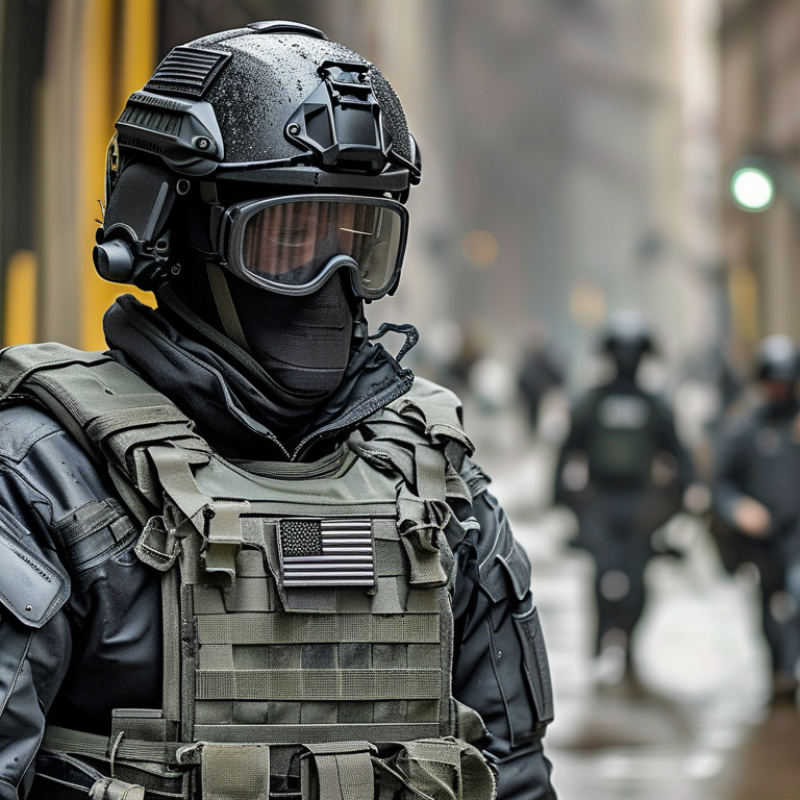
What makes an army anti-riot suit effective is balanced protection, not maximum thickness. A reliable suit should shield the head, torso, joints, hands, and lower legs from blunt impact, heat, and abrasion. It must also allow walking, crouching, communication, and safe removal. ISO 13688:2013 emphasizes ergonomic design, harmless materials, marking, and user information for protective clothing. These details matter during long deployments.
Independent testing should verify impact resistance, flame behavior, seam strength, and visor performance. Buyers can compare relevant EN standards, such as EN 1621 for impact protectors and EN 166 for eye protection, where applicable. The International Labour Organization reported 2.93 million work-related deaths globally in 2019, with 395 million nonfatal injuries. That figure does not measure public-order equipment directly, but it shows why documented risk assessment cannot be skipped. Certification alone is not enough.
Fit changes real performance. A loose shoulder guard may shift during movement, while a sealed visor can fog within minutes in humid weather. Ventilation, moisture control, and replaceable padding deserve practical testing. Try it with gloves, a radio, and body armor layers. Small details count. My own assessment would treat advertised protection claims cautiously; laboratory results rarely capture heat, fatigue, poor visibility, or rushed movement. A suit may pass every test and still fail its user. Regular inspection, cleaning, training, and replacement schedules are equally important.
For global buyers, seven leading anti-riot suit options serve different operational needs.
A modular padded suit offers flexible coverage and easier replacement.
A lightweight mobility suit supports walking, stair movement, and extended duty periods.
A full-coverage suit protects the torso, shoulders, elbows, hips, knees, and shins.
A breathable mesh-backed design can reduce heat buildup in warm climates.
A cold-weather model allows layered clothing beneath the protective shell.
A fire-resistant option suits environments where brief heat exposure is possible.
A training-focused suit uses softer padding and helps reduce injury during controlled exercises.
Material quality matters.
Look for impact-absorbing foam, reinforced stitching, secure closures, and smooth inner linings.
Hard components should stay stable without restricting natural movement.
During inspection, test squatting, raising both arms, and turning the head.
Small gaps can become serious weaknesses.
Check whether replacement panels are available and whether sizing follows clear measurement charts.
Reliable buyers should request test reports, care instructions, production records, and documented quality checks.
Protection ratings must match the intended use, not merely the product description.
Ventilation is easy to underestimate.
A heavy suit may protect well but cause fatigue after several hours.
A lighter suit may improve movement but offer less coverage.
Practical trials are essential, and some assumptions will prove wrong.
Select equipment for lawful public-safety work, trained personnel, and the specific climate and duties involved.
7 Best Army Anti Riot Suits for Global Buyers?
Protection depends on coverage, testing, and climate. A lightweight Level 1 suit usually covers the chest, shoulders, elbows, knees, and shins. It supports mobility but leaves more gaps. Level 2 systems add thicker impact panels and stronger closures. Level 3 designs often include a groin guard, neck protection, forearm plates, and wider thigh coverage. Full coverage sounds safer. It can also restrict movement and increase heat stress.
Material choice changes field performance. Aramid and high-tenacity fabrics offer strong abrasion resistance with moderate weight. Molded polymer plates manage blunt impacts but may crack after severe strikes. Metal inserts provide high rigidity, yet they add weight and retain heat. Buyers should check EN 1621 impact-protection test results, ISO 13688 sizing requirements, and EN 13595 abrasion data. These standards do not guarantee complete protection. The NIOSH Criteria for a Recommended Standard: Occupational Exposure to Heat and Hot Environments advises using workload, clothing, and WBGT readings together. A thick suit can become unsafe in humid conditions.
Tips: Request test reports, not marketing claims. Measure over the intended uniform. Inspect seams, hinges, and hook-and-loop areas. Confirm replacement parts and cleaning instructions. A practical trial should include kneeling, climbing, and repeated arm movement. I would not choose the heaviest suit automatically. More armor may reduce reaction speed, visibility, and endurance. That trade-off is easy to underestimate. For global buyers, select modular coverage, certified materials, clear sizing, and documented quality control. Consider local climate and lawful operational requirements.
For global buyers comparing seven army anti-riot suits, fit should be tested over duty clothing, not a thin shirt. Measure shoulder width, waist compression, sleeve reach, and helmet-to-collar overlap. The wearer should squat, climb stairs, raise both arms, and kneel without exposed gaps. A practical trial often reveals more than a size chart. ISO 13688:2013 emphasizes ergonomic design, correct sizing, and protective clothing compatibility.
Mobility depends on joint construction. Flexible panels around the knees, elbows, and hips reduce resistance during repeated movement. Check whether hard components strike the ribs when the user bends forward. Inspect fasteners with gloves. Small failures matter. A suit that restricts breathing or vision creates operational risk, even when its laboratory protection appears strong. ILO’s 2024 climate report estimates that more than 2.4 billion workers face excessive heat exposure annually, making ventilation and moisture control important purchasing criteria.
Climate compatibility needs measured testing. NIOSH’s 2016 heat-stress criteria recommend WBGT-based risk assessment, work-rest planning, hydration, and worker acclimatization. For hot regions, compare internal temperature rise, drying time, and airflow after thirty minutes of walking. For cold regions, test layering space without losing joint mobility. Rain protection can trap heat. Ventilation can reduce water resistance. The compromise is real, and a perfect score is unlikely. Buyers should record results by climate zone, body size, and activity level rather than trusting one universal rating.
Comparative assessment of common anti-riot suit configurations using four buyer-relevant dimensions: fit, mobility, heat-climate compatibility, and wet/cold-climate compatibility. Scores are normalized from 0 to 100; higher values indicate stronger suitability.
Assessment basis: close-fitting ergonomic construction, range of motion, ventilation and weight management, layered insulation, water resistance, and compatibility with helmets, shields, and load-bearing equipment. Actual performance depends on sizing, materials, certification, and field testing.
7 Best Army Anti Riot Suits for Global Buyers?
Global purchasing begins with a clear protection requirement, not a product photo. Define impact zones, mobility needs, climate, visibility, and cleaning conditions. For each of the seven shortlisted suits, request a full material specification. Check shell fabric, foam thickness, fasteners, stitching, and heat tolerance. The fit should allow movement without loose straps or exposed gaps.
Compliance documents need careful review. Map safety claims to applicable standards, including EN ISO 13688 for protective clothing basics where relevant. Ask for current test reports from laboratories accredited to ISO/IEC 17025. Verify the tested model, batch number, test date, and performance limits. A certificate alone is not enough. It may cover only one component.
Supplier checks should include legal registration, factory location, production capacity, and quality-control procedures. Request pre-shipment photos, random inspection records, and a sealed sample for comparison. Test a small order before committing to volume. Examine edge finishing, buckle strength, size consistency, and packaging labels. Keep traceable records for every shipment. I would also ask about replacement parts and warranty handling. These details are often missed. My own checklist can become too document-heavy, while real comfort receives less attention. A ten-minute fitting session may reveal more than a polished spreadsheet. Recheck local import, workplace, and protective-equipment rules before payment.
| Rank | Generic Suit Configuration | Recommended Application | Typical Protection Coverage | Relevant Test References | Indicative Procurement Target | Climate and Mobility | Mandatory Supplier Checks |
|---|---|---|---|---|---|---|---|
| 1 | Modular Full-Body Riot Suit Separate torso, shoulder, elbow, forearm, thigh, knee and shin components. | General crowd-control operations requiring adjustable coverage and easy replacement of damaged panels. | Torso, shoulders, arms, hips, thighs, knees and shins; optional groin and neck protection. | EN ISO 13688 for general protective-clothing requirements; EN 1621-1 for limb impact protectors; EN 1621-2 for back protectors where applicable. | Adjustable sizing; replaceable panels; documented impact-test results for each protective component; clear material specification. | Best balance of coverage and mobility. Ventilated textile zones are preferable for warm climates. | Check component-level test reports, attachment strength, buckle durability, spare-part availability, size grading and batch traceability. |
| 2 | High-Mobility Lightweight Suit Reduced bulk with articulated joints and low-profile protective shells. | Rapid deployment, patrol movement, vehicle operations and situations requiring frequent running or climbing. | Core torso, elbows, forearms, knees and shins; reduced overlap around the waist and shoulders. | EN ISO 13688; EN 1621-1 for applicable limb protectors; internal range-of-motion and retention testing. | Target a documented design weight below a full-coverage suit while maintaining secure coverage during walking, kneeling and running. | Highest mobility and lower heat burden, but usually less overlap and lower protection against severe impacts. | Verify weight by size, joint articulation, shell retention after repeated flexing, sweat resistance and wash-care instructions. |
| 3 | Maximum-Coverage Heavy-Duty Suit Overlapping hard-shell panels with enhanced neck, groin and upper-arm coverage. | High-risk public-order environments where blunt-impact and projectile-related hazards are assessed as severe. | Head-compatible collar, torso, shoulders, arms, groin, thighs, knees and lower legs. | EN ISO 13688; applicable EN 1621 impact tests; separate documented testing for any claimed stab, ballistic, chemical or heat protection. | Prioritize coverage mapping, impact attenuation, panel overlap and retention over minimum weight. | Highest coverage but greater heat retention, fatigue and movement restriction; requires hydration and duty-cycle planning. | Reject unsupported multi-hazard claims; request separate reports for impact, stab, ballistic, flame and chemical performance. |
| 4 | Hot-Climate Ventilated Suit Breathable base layers, vented carriers and moisture-managing liners. | Tropical, desert or high-temperature deployments where heat stress is a major operational risk. | Core impact zones with ventilation channels, breathable textiles and removable protective inserts. | EN ISO 13688; EN 1621-1 or EN 1621-2 where relevant; textile colorfastness, seam strength and laundering tests. | Specify air-permeable panels, moisture-management performance, replaceable liners and documented thermal-comfort testing where available. | Best heat-management option; ventilation must not create unprotected gaps or interfere with other equipment. | Check airflow zones, sweat and salt resistance, UV exposure, drying time, odor control and compatibility with helmets and load-bearing equipment. |
| 5 | Cold-Weather Layered Riot Suit Protective shell combined with insulated and moisture-resistant layers. | Cold, wet or windy operations where protection must be worn over thermal clothing. | Torso and limb impact zones with weather-resistant outer covers and adjustable insulation layers. | EN ISO 13688; EN 1621 impact references where applicable; ISO 811 for water penetration and ISO 11092 for textile thermal and evaporative resistance where claimed. | Define water-resistance, seam-sealing, insulation and size-adjustment requirements before sampling. | Good weather protection but bulkier; ensure sufficient joint clearance when worn over uniforms and cold-weather layers. | Verify waterproof test conditions, insulation composition, seam construction, drying procedure and performance after repeated compression. |
| 6 | Adjustable Multi-Size Suit Wide adjustment zones designed for different body shapes and layered uniforms. | International procurement programs serving mixed-gender units and multiple body-size distributions. | Configurable torso, shoulder, elbow, thigh, knee and shin coverage with replaceable straps or panels. | EN ISO 13688; EN 1621-1 and EN 1621-2 where applicable; ergonomic fit and retention testing across the complete size range. | Require published body-measurement charts, left/right adjustment symmetry and fit validation using representative users. | Strong logistical value and easier stock management; excessive adjustment can reduce stability if poorly designed. | Check fit samples for all sizes, strap slippage, pressure points, female-fit options, laundering shrinkage and user donning time. |
| 7 | Training and High-Visibility Suit Durable protective suit with clear identification panels and simplified maintenance. | Training, demonstrations, controlled exercises and operations where personnel identification is important. | Core and limb impact zones with high-visibility markings, removable identifiers and reinforced seams. | EN ISO 13688; EN 1621 impact references where applicable; ISO 20471 only if the garment is specifically claimed and tested as high-visibility clothing. | Prioritize abrasion resistance, colorfastness, easy cleaning, replacement identifiers and low operating cost. | Good for repeated use and supervision; not automatically suitable for severe operational hazards. | Confirm that visibility claims are supported by the correct test report, and verify abrasion, seam, fastener and laundering durability. |
By continuing to use the site, you agree to the use of cookies. more information
The cookie settings on this website are set to "allow cookies" to give you the best browsing experience possible. If you continue to use this website without changing your cookie settings or you click "Accept" below then you are consenting to this.