
China has become a major source of precision cutting tools for global manufacturers. Gardner Intelligence’s 2023 World Machine Tool Survey identifies China as the world’s largest machine-tool producer and consumer. This industrial scale supports extensive Milling Cutters production, testing, and export capacity. It also creates strong competition among Chinese suppliers.
Global buyers now evaluate more than price. The International Federation of Robotics reported continued growth in factory automation during its World Robotics 2024 publication. Automated machining demands stable tool geometry, predictable wear, and repeatable coating performance. A cutter that performs well during one trial may still fail under continuous production. Details matter.
This guide examines China’s leading Milling Cutters manufacturers through practical purchasing criteria. These include carbide grade, flute design, coating technology, dimensional tolerance, inspection systems, and export experience. ISO 13399 provides a recognized framework for cutting-tool data representation. Buyers should still verify each supplier’s test records, material certificates, and application support. No supplier ranking is flawless. Product claims can also appear stronger than the evidence behind them.
Field experience shows that tool life depends on more than the cutter itself. Spindle stability, coolant delivery, workpiece hardness, and cutting parameters can change results dramatically. Therefore, this overview combines manufacturer capabilities with evidence-based evaluation methods. It aims to help distributors, OEMs, and machining companies compare Chinese suppliers with greater confidence. Some conclusions may require further validation. That is a reasonable part of responsible sourcing.
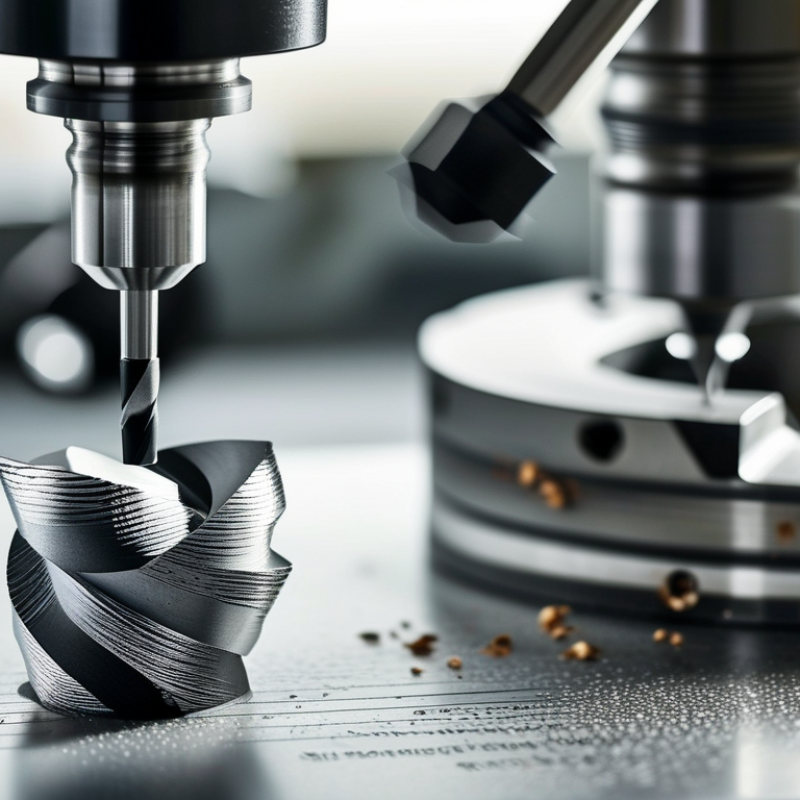
Chinese manufacturers produce a broad range of milling cutters for metalworking, mold making, and precision machining. Common options include end mills, face mills, ball nose cutters, slot drills, roughing mills, and dovetail cutters.
Many factories offer carbide, high-speed steel, and coated tools. Carbide cutters suit hard materials and high-speed CNC operations. High-speed steel remains useful for lower-speed work and easier regrinding. Roughing cutters remove material quickly through specialized flute designs. Finishing cutters use sharper edges for cleaner surfaces.
However, tool performance depends on more than material. Diameter, helix angle, flute count, coating, and machine stability all matter. A specification can look complete, yet still produce poor results.
Tips: Match the cutter to the workpiece first. Check hardness, cutting depth, spindle speed, and coolant conditions. Request inspection records, dimensional tolerances, and sample testing before large orders. Ask about edge consistency across production batches. Small defects can become visible on polished mold surfaces. Experienced buyers should also compare actual tool life, not only purchase price. Some assumptions fail in real workshops. That is worth reviewing.
China’s milling cutter manufacturing industry combines large production capacity with increasingly precise engineering. Many factories produce carbide, high-speed steel, and indexable milling cutters for aluminum, steel, and hardened materials. Computer-controlled grinding machines help maintain edge geometry and diameter tolerance. Some suppliers also apply coatings that reduce friction and improve tool life.
The strongest manufacturers usually support custom designs. Buyers can request special flute counts, corner radii, shank sizes, or coatings. In experienced workshops, inspectors check runout with measuring equipment before shipment. Cutting tests may follow, using fixed spindle speeds, feed rates, and workpiece materials. Still, quality is not identical across every factory. A polished catalog cannot replace sample testing.
Tips: Ask for inspection records, material certificates, and test results. Compare tool life under your actual cutting conditions. Check packaging carefully; damaged edges can ruin a reliable tool.
Communication is another key feature. Export-oriented factories often provide drawings, application guidance, and production updates. Clear technical data prevents mistakes between metric and imperial dimensions. Buyers should confirm tolerances, coating specifications, minimum order quantities, and replacement policies in writing. Delivery performance also deserves attention, especially for customized cutters. A supplier may promise fast production, yet complex geometries can require additional grinding and inspection time. Practical experience suggests starting with a small trial order, then reviewing surface finish, chip evacuation, vibration, and tool wear before expanding purchases.
China Top Milling Cutters Manufacturers for Global Buyers
How to Evaluate Chinese Milling Cutter Suppliers
Choosing a Chinese milling cutter supplier requires more than comparing prices. A polished catalog proves little. Request material certificates, dimensional reports, and coating specifications for each cutter type. Check whether the supplier explains carbide grade, helix angle, edge preparation, and recommended cutting parameters clearly. Vague answers deserve caution.
Ask for samples before placing a large order. Measure runout with a gauge, inspect edge consistency under magnification, and test the cutter on your actual workpiece material. Record tool life, surface finish, cutting speed, and chip control. Small details matter. A supplier should also provide batch numbers and traceability records. These documents support quality investigations when results change unexpectedly.
Review production capacity, inspection equipment, packaging methods, and export experience. Confirm tolerances in writing, including shank diameter and overall length. Discuss replacement procedures for damaged or inconsistent goods before payment. I have learned that fast replies can hide weak technical support. A factory visit or live video inspection may reveal more than a sales presentation. Still, no evaluation is perfect; trial data can vary with machines, fixtures, coolant, and operator skill. Use clear acceptance criteria, keep test records, and reassess the supplier after every shipment.
For global buyers, a milling cutter is not judged by appearance alone. Reliable Chinese manufacturers should follow documented quality systems, commonly aligned with ISO 9001, and provide material certificates for carbide or high-speed steel. Each production lot needs traceability from raw material to final packing. Inspectors should verify cutter diameter, flute geometry, overall length, runout, and edge condition against approved drawings. Tolerances must be stated clearly, not hidden behind vague phrases such as “premium quality.”
Practical control happens at several points. CNC grinding records, calibrated gauges, optical measurement, and hardness tests create useful evidence. Runout inspection at the shank can reveal problems before a cutter reaches the machine. Coating thickness and adhesion should be checked when a coated tool is specified. A responsible factory also uses sampling plans, yet sampling cannot expose every defect. That limitation should be reported honestly, with corrective actions and retained inspection records available to buyers.
Packaging is part of quality control. Individual sleeves, rust protection, and impact-resistant cartons help preserve sharp edges during export. Buyers should request sample reports, calibration dates, batch photos, and a clear process for handling nonconforming tools. Experience shows that small variations in edge preparation can change cutting performance, even when dimensions pass inspection. No system is perfect. Manufacturers should review field feedback, investigate premature wear, and adjust grinding or coating parameters instead of blaming machining conditions too quickly.
Global buyers comparing China’s top milling cutter manufacturers should begin with technical fit, not price. Share the workpiece material, machine type, spindle speed, feed rate, and cutting depth. Clear drawings reduce costly misunderstandings. Details matter.
Request carbide grade data, coating specifications, diameter tolerance, helix angle, and runout results. Ask how each batch is inspected and recorded. Samples reveal flaws. Test samples under normal production conditions, not only in a showroom. A cutter that performs well on aluminum may fail quickly on hardened steel. Experienced purchasers also check tool life, surface finish, and chip evacuation.
Supplier evaluation should include production capacity, quality procedures, export experience, and response speed. Verify whether inspection reports match the supplied tools. Consider independent checks for large orders. Packaging must protect cutting edges from impact and moisture during long-distance transport. Confirm labeling, documentation, delivery terms, payment stages, and warranty handling before issuing a purchase order. These details support reliable international sourcing and reduce avoidable disputes.
Cost comparisons need a wider view. Include trial tooling, rejected parts, replacement time, freight, and customs requirements. A low quote can still be the wrong bargain. Some buyers over-specify coatings and pay for performance they never use. Others choose a cheaper grade and regret it later. Reassess the selection after real production data arrives.
By continuing to use the site, you agree to the use of cookies. more information
The cookie settings on this website are set to "allow cookies" to give you the best browsing experience possible. If you continue to use this website without changing your cookie settings or you click "Accept" below then you are consenting to this.