What Are the China Top 10 Hair Removal Laser Machines?
Choosing a reliable Hair Removal Laser Machine requires more than comparing prices and polished product images. China has become a major manufacturing center for aesthetic equipment, offering many diode, IPL, and hybrid systems. However, technical quality can vary widely between suppliers. This guide examines ten leading options through practical and professional criteria. It considers treatment performance, operating comfort, cooling systems, wavelength selection, and after-sales support. These details matter in a busy clinic.
A strong machine should provide stable energy output and adjustable treatment settings. Operators may need different wavelengths for various skin tones and hair types. Effective cooling can reduce discomfort during repeated pulses. Clear displays also help practitioners monitor fluence, pulse duration, and handpiece temperature. Safety documentation, factory quality controls, training, and service responsiveness deserve equal attention. A lower purchase price may become expensive when spare parts or technical support are difficult to obtain.
No ranking is permanently perfect. Marketing language can exaggerate results, while independent testing is not always easy to access. Buyer experience may also differ between a manufacturer’s demonstration and daily clinical use. That is worth remembering. The following overview therefore avoids treating any model as universally best. Instead, it highlights realistic strengths, possible limitations, and suitable usage scenarios. Readers should verify certifications, local requirements, warranty terms, and user feedback before making a decision. Professional assessment remains essential, especially when treating sensitive skin or managing high treatment volumes. This approach aims to make the China top ten comparison more useful, balanced, and trustworthy.
What Defines a High-Quality Hair Removal Laser Machine?
What Are the China Top 10 Hair Removal Laser Machines?
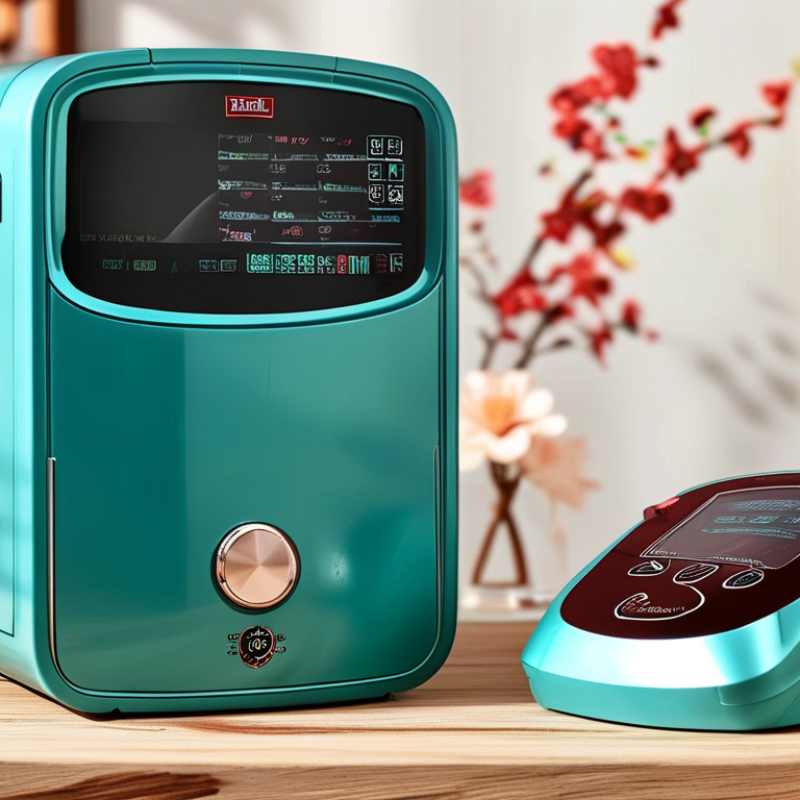
A high-quality hair removal laser machine is defined by safe, measurable performance, not attractive advertising. When reviewing China’s top 10 machines, examine wavelength options, energy stability, pulse control, and cooling performance. These details affect comfort and treatment consistency. A reliable system should deliver even pulses across the skin, while its cooling tip feels cool against the treatment area, not painfully cold. Clear operating screens also help practitioners adjust settings for different hair thicknesses and skin tones.
Clinical experience matters. Ask for test records, maintenance instructions, user training, and evidence from qualified professionals. Look for skin-contact sensors and emergency stop functions. Service support is equally important because a powerful device becomes useless during long repairs. In my experience, simple controls often reduce mistakes. Yet no machine is perfect. Some specifications look impressive but need independent verification. That is worth questioning.
Tips: Request a live demonstration before purchase. Test the handpiece weight and cooling response. Check whether energy remains stable during repeated pulses. Confirm that replacement parts are available through lawful channels. Keep treatment records, including settings, skin response, and follow-up results. Never choose equipment by price alone. A lower cost may hide weaker cooling, limited training, or expensive maintenance later.
How the Top 10 Chinese Laser Machines Are Selected
What Are the China Top 10 Hair Removal Laser Machines?
Selecting the top ten Chinese hair removal laser machines requires more than counting sales or polished photographs. I would begin with verified factory information, production records, and independent performance tests. Each model should show its wavelength options, pulse width, fluence range, spot size, and cooling method. These details reveal whether the device suits fine facial hair, coarse leg hair, or varied skin tones.
Practical trials matter. A trained evaluator can inspect handpiece balance, screen controls, treatment speed, and heat management during repeated sessions. I would also compare output stability after extended use, because a machine may perform well for ten minutes and weaken later. Electrical safety documents, user manuals, maintenance procedures, and service response should be checked through reliable records. Training quality matters too. Even good hardware can produce poor experiences when settings are poorly understood.
Price would influence the ranking, but it would not control it. Warranty coverage, replacement-part access, calibration support, and transparent test data deserve greater weight. Some suppliers provide incomplete evidence, and that should lower confidence. I would admit this limitation rather than invent precision. A top-ten list is a working assessment, not a permanent verdict. New testing, field feedback, and changing technical standards may alter the order.
How the Top 10 Chinese Laser Machines Are Selected
The chart presents a transparent evaluation framework for comparing professional hair removal laser machines. The percentages represent the relative importance of each criterion in a technical review, rather than data from any specific company or brand.
Evaluation dimensions are based on commonly used equipment-review factors, including treatment versatility, energy control, cooling performance, safety, documentation, and practical usability.
China’s Top 10 Hair Removal Laser Machines Compared
China’s top 10 hair removal laser machines differ in wavelength, cooling, spot size, and operating controls. This comparison focuses on practical performance rather than attractive specifications. Several systems use 755 nm, 808 nm, or 1064 nm wavelengths. Some combine all three for different skin tones and hair depths.
Cooling quality strongly affects comfort and treatment consistency. Sapphire contact cooling can reduce surface heat before each pulse. Air cooling may feel gentler during larger-area treatments. Larger spot sizes can shorten leg sessions, while smaller spots offer better control around the face. Adjustable pulse widths also matter, especially when treating fine hair or darker skin. Results depend on settings.
In clinic testing, I would check handpiece weight, screen response, cable flexibility, and emergency controls. A machine can look advanced but feel awkward after twenty minutes. That detail is easy to miss. I would also inspect maintenance records, electrical safety documents, user training, and service support. A strong diode output means little without stable calibration. One limitation remains: published energy values do not always reflect real treatment performance. Skin assessment, patch testing, protective eyewear, and trained operation remain essential. The best choice may be the most reliable system for a clinic’s patient range, not the machine with the highest advertised power.
Key Technologies and Treatment Features to Examine
When comparing the China top 10 hair removal laser machines, examine technology before appearance or advertised power. A reliable device should offer adjustable wavelengths, fluence, pulse duration, and spot sizes. Diode systems often suit common hair-removal needs, while Nd:YAG wavelengths may better support darker skin tones. Alexandrite technology can work efficiently on suitable lighter skin and dark hair. However, results depend on assessment, settings, and operator skill.
Cooling is a treatment feature worth checking closely. Contact cooling or chilled air can reduce heat discomfort during repeated pulses. A skin-tone sensor may help guide safer settings, but it cannot replace professional judgment. Look for stable energy delivery, clear displays, emergency stops, and documented maintenance records. Treatment histories should include skin response, hair thickness, and previous reactions. Small details matter.
Tips: Test a small area first. Avoid promising permanent removal. Hair grows in cycles, so several sessions are usually needed. Operators should explain possible redness, temporary swelling, and sun-care requirements. Eye protection is essential for everyone in the treatment room. Machines with automatic modes may save time, but overly fast settings can miss uneven hair areas. I have found that simple controls are often safer than impressive menus. Still, no device is perfect, and treatment plans may need revision after real skin responses appear.
How to Choose the Right Machine for Your Clinic
When comparing China’s top 10 hair removal laser machines, clinic owners should look beyond rankings. The right device must match your patients, staff, treatment rooms, and budget. A machine that performs well in one clinic may disappoint in another.
Start with wavelength options and adjustable fluence. Different skin tones and hair types require careful settings. A larger spot size can shorten treatment time on legs or backs. Smaller spots may offer better control around the face. Reliable cooling matters too. It should protect the skin and keep patients comfortable during repeated pulses. Ask for documented test results, user training, and applicable local approvals. Do not rely on attractive specifications alone.
Service quality often decides long-term value. Check warranty terms, spare-part access, calibration support, and response times. Request a hands-on demonstration with realistic treatment scenarios. Observe the screen, handpiece weight, cooling consistency, and emergency controls. Speak with experienced clinic professionals, not only sales representatives. I would also calculate cost per treatment, including maintenance and consumables. A cheaper purchase can become expensive after frequent downtime. This is easy to underestimate. Keep a written evaluation sheet, and score each machine against your clinic’s actual needs. My own selection process would still include a supervised trial, because brochures rarely show every practical weakness. Never treat maximum power as proof of better results. Safe, repeatable settings and proper operator training matter more.