How to Choose the Right Ball Bearing for Your Project?
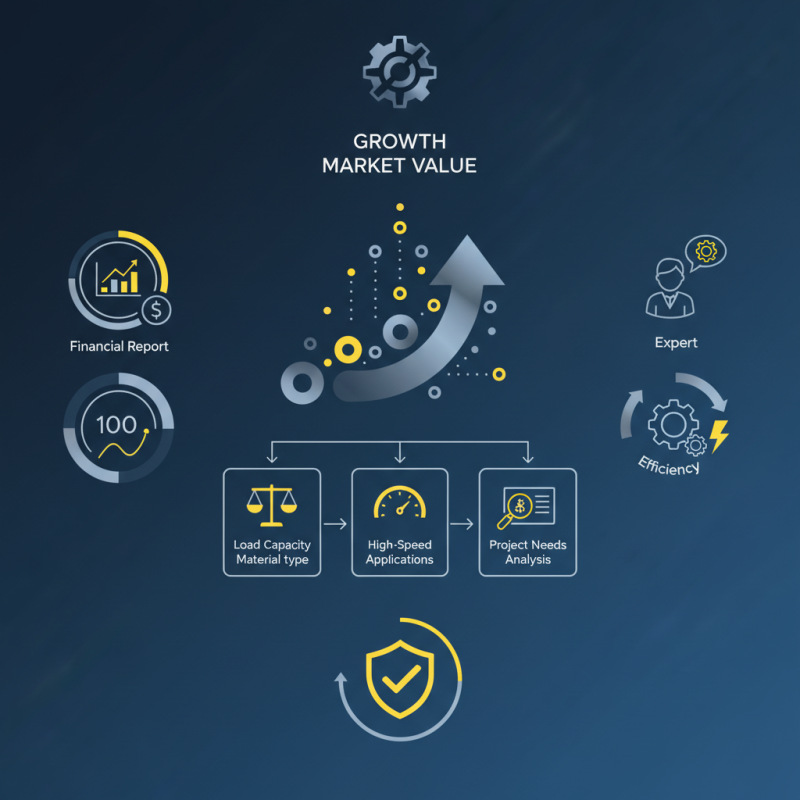
Choosing the right Ball Bearing for your project can be a daunting task. The ball bearing industry is vast and complex, with numerous options available. According to a recent report by MarketsandMarkets, the global ball bearing market is expected to reach $100 billion by 2025. This staggering figure highlights the importance of selecting the right components for machinery.
Expert John Smith, a renowned figure in the ball bearing sector, emphasizes, "Choosing the right ball bearing can significantly influence the efficiency of your project." With so many variables at play, including load capacity and material type, making an informed choice is crucial.
Additionally, it's easy to overlook details that can lead to costly mistakes. For instance, not all ball bearings are suited for high-speed applications. This can lead to premature failures. It's essential to analyze the specific needs of your project carefully. Paying attention to such details can set your project on the path to success.
Understanding the Different Types of Ball Bearings Available
When selecting a ball bearing for your project, it's crucial to understand the various types available. Each type serves a distinct purpose and comes with its own benefits and drawbacks. Common options include deep groove bearings, angular contact bearings, and thrust bearings. Deep groove bearings are versatile and can handle radial and axial loads. However, they may not perform well under extreme conditions.
Angular contact bearings, designed for high-speed applications, can support greater loads but require precise alignment. They might not be the best choice for all setups due to their sensitivity to misalignment. Thrust bearings excel in supporting axial loads, yet their application is usually limited to specific scenarios. For instance, improper selection can lead to premature wear or failure, rendering your project ineffective.
Understanding these differences is key to making an informed decision. Don't rush the process. Take time to consider factors such as load requirements, speed, and environmental conditions. It's easy to overlook details, which could result in costly mistakes down the line. Consider consulting resources or experts, especially if you're unsure about specific requirements. Each project is unique, so tailor your choice accordingly.
How to Choose the Right Ball Bearing for Your Project? - Understanding the Different Types of Ball Bearings Available
| Bearing Type | Load Capacity | Speed Rating (RPM) | Material | Applications |
| Deep Groove Ball Bearing | Moderate | Up to 20,000 | Steel | Electric motors, fans, pumps |
| Angular Contact Ball Bearing | High | Up to 15,000 | Steel, ceramic | Machine tools, robotics |
| Self-Aligning Ball Bearing | Moderate | Up to 12,000 | Steel | Automotive components, farm equipment |
| Thrust Ball Bearing | Low | Up to 5,000 | Steel | Axles, screw drives |
Key Factors to Consider When Selecting Ball Bearings
Choosing the right ball bearing is crucial for any project. Several key factors should guide your decision. Load capacity is one important aspect. Think about the weight your application will handle. Too light or too heavy? It can lead to early failure.
Another factor to consider is the environment. Will your ball bearings be exposed to dust, moisture, or extreme temperatures? Selecting the right material can prevent corrosion and wear. Some applications require sealed or shielded bearings for protection. Unsuitable choices can lead to inefficiencies.
Speed is also significant. How fast will your application operate? High-speed applications often need specially designed bearings. The wrong type can create excessive heat. This heat can cause damage or inefficiencies. Reflecting on these factors can help you make better decisions.
Ball Bearing Selection Factors
Analyzing Load Capacity and Performance Requirements
Choosing the right ball bearing involves understanding load capacity and performance requirements. Load capacity refers to the maximum weight a bearing can handle while functioning effectively. It is critical to assess both radial and axial loads. Radial loads act perpendicular to the shaft, while axial loads run parallel to it. Ignoring these differences can lead to premature bearing failure.
When examining performance requirements, consider factors like rotational speed and environmental conditions. High-speed applications demand bearings that can minimize friction and heat. On the other hand, dusty or wet environments may require sealed bearings to protect against contaminants. It's worth noting that assuming one size fits all can be misleading. Each application may present unique challenges that require careful consideration.
Testing under actual working conditions can reveal shortcomings. Sometimes, a bearing that looks perfect on paper doesn't perform well in real life. Continual evaluation and adjustments might be necessary to ensure optimal function. It’s essential to keep an open mind. Mistakes are part of the process, and learning from them leads to better choices in the future.
Evaluating Material Choices for Durability and Application Suitability
When selecting ball bearings, the material plays a crucial role in their performance. Common choices include steel, ceramic, and plastic. Steel bearings offer durability and load-bearing capacity. However, they may rust if exposed to moisture. Ceramic bearings resist corrosion but can be brittle under intense stress. Plastic options are lightweight and resistant to chemicals, yet they may wear out quickly.
Consider your application carefully. For high-speed machinery, ceramic might be ideal. For heavy-load applications, steel is often preferred. However, the environment can change everything. A humid setting might not suit steel. Plastic could degrade under high temperatures, which is worth reflecting on. Each material has its strengths and weaknesses. Choosing the right one requires a deep understanding of your project’s needs.
Don't rush this decision. Evaluate the specifics. Analyze operating conditions and stress levels. Talk to peers or experts. Sometimes, an unexpected choice could lead to better performance. Testing prototypes can also help uncover flaws. Balancing durability and suitability is essential throughout your process.
Maintenance and Lifespan Considerations in Ball Bearing Selection
When selecting ball bearings, maintenance and lifespan are crucial factors. Quality bearings can last many years, but neglect can lead to early failure. Regularly checking for wear and replacing damaged parts is essential. Small issues can escalate if ignored. It's also important to choose the right lubricant, as it significantly affects performance and lifespan.
Different environments pose varied challenges for ball bearings. High temperatures can degrade lubricants faster. Dust and moisture can cause corrosion. It’s vital to assess these conditions before making a decision. If the environment changes, you may need to reconsider your choice. An unsuitable bearing can result in increased maintenance costs.
Understanding the expected lifespan of your bearing is important. Manufacturers often provide estimates, but these can vary greatly based on actual usage. Frequent operation or heavy loads can shorten lifespans. Being mindful of these factors can prevent costly downtime. Regular monitoring of performance can reveal insights into potential issues. Don’t overlook the need for occasional reflections on your choices. This can lead to better decisions in future projects.